

“Go with your gut.” We’ve heard this advice when it comes to everything from what you should order at a new restaurant to who you should marry. But as you might imagine, some decisions are better not left to the gut.
That’s where technology comes in. Hiring managers, company executives and everyone else in an organization benefit when decisions are informed by data. Christy Pettey at Gartner, however, cautions that there is a balance: Decision-makers must allow technology to complement, rather than replace, gut feelings and natural tendencies.
A point of friction on that axis is human bias. We all have biases, and we are often blind to them. As Dan Lovallo and Olivier Sibony of McKinsey & Company point out, it’s sometimes pretty easy to spot the biases of the people around you. Harder is to identify — and mitigate — the power of your own biases.
When biases guide any aspects of our hiring decisions, though, especially at scale, the costs can be enormous. Here are a few things executives should know about unconscious hiring biases, as well as steps they can take to recognize and overcome those biases.
Common types of unconscious biases
While there are many different types of biases that can affect hiring practices, here are three worth paying special attention to.
Confirmation bias
People on different ends of the political spectrum tend to interpret news in completely different ways. This is not a new phenomenon; instead, it is an exhibition of confirmation bias, or the tendency to interpret new information as confirmation of your current beliefs.
When it comes to hiring, confirmation bias can cause an interviewer or a panel to focus on something they know about the candidate — e.g. where they earned their degree or where they currently work — and form an opinion before the candidate even enters the room.
Whether their judgment is positive or negative, the interviewers might have a tendency to hone in on details that confirm their original beliefs while unintentionally ignoring details that dispute those beliefs. McKinsey’s Chris Bradley gives this example: “When you bring together a bunch of people with shared experiences and goals, they typically wind up telling themselves stories, generally favorable ones. One study found, for instance, that 80% of executives believe that their product stands out against the competition—but only 8% of customers agree.”

Halo effect
Imagine you are house-hunting when you come across what appears to be your dream home. The windows let in a lot of sun, there is a gorgeous view and the hardwood flooring is exactly what you had in mind. When your real estate agent points out the small guest bedrooms, the sloped yard that looks prone to flooding, and the crack in the foundation, your brain wants to push all of that aside. You are in love with the house, and everything else pales in comparison.
That is the halo effect, a common bias that creates a love-at-first-sight problem, whether the object of your happiness is a house, a romantic partner or a new manager.
When it comes to hiring, getting caught up in the halo effect can be just as detrimental as investing in a money pit of a home. Basing your hiring decisions on your first impressions, and not trusting objective data, can turn your hiring processes into money pits of their own.
Affinity bias
Most organizations want to foster diversity, explain Ana Kreacic and Tammi Ling, partners at Oliver Wyman. Those making hiring decisions know that a diverse workforce increases problem-solving prowess, introduces employees to the nuances of cross-cultural skills and can fill gaps in talent.
Affinity bias, however, tries to convince us that it is easier to get along with those who are most like us. It takes more effort to understand those who are different from us. And while you might not consciously discount someone’s candidacy because of their culture or socioeconomic background, for example, affinity bias might steer you toward a less-qualified candidate whose culture and background are more similar to your own.

4 tips for defeating your own unconscious biases
There are some steps every executive can take to outsmart their own hiring biases:
1. Recognize your own biases
Becoming cognizant that you have biases is a great start. Elena Richards, leader of the Office of Diversity at PwC, explains that once you become aware that you have unconscious biases, you can choose to do something to change the situation. Yes, your brain will still attempt to make sense of the world by putting others in categories, but you have the ability to shift your focus to what your hiring data tells you instead.
2. Consider how you represent your company’s culture
It isn’t only your own biases but also those of your applicants that you need to keep in mind. If you describe the office as being “fresh” or the position as being “high-energy,” you might attract only a certain type of applicant — and discourage others who are every bit as qualified and might even be better candidates.
3. Rely on technology to provide objectivity
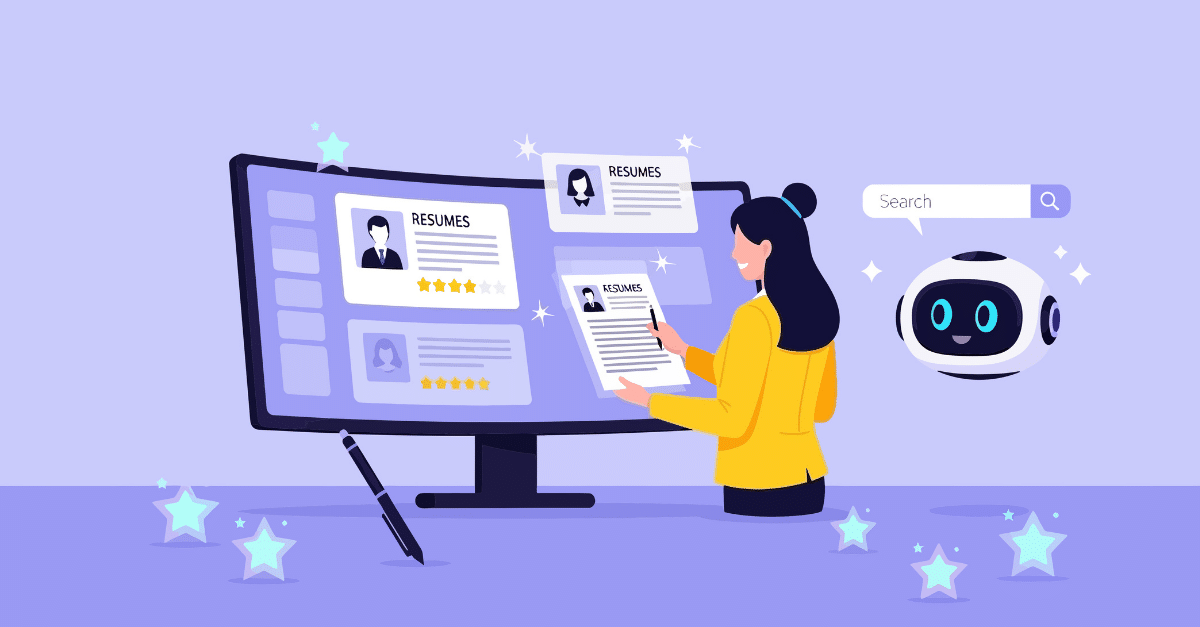
Using AI to analyze and expand your talent pool can be an excellent step in the hiring process, explains PwC’s Bhushan Sethi. AI can help by sourcing and tracking applicants, performing screening interviews, and even analyzing a candidate’s facial expressions and moods. Use the analytics provided to make your final decisions, which will be less impacted by your biases and preconceived notions.
4. Prioritize diversity within your organization
Juliet Bourke, Stacia Garr, Ardie van Berkel and Jungle Wong of Deloitte note that employees see inclusion and diversity as mandatory aspects of a company’s culture. Further, they stress that inclusivity and diversity in teams can lead to more innovation, creativity and engagement. Internalize these ideas, and work to prioritize all types of diversity in all levels of your organization. Being aware that diversity is one key to success can help you overcome and change your biases, rather than simply trying to stifle them.
By recognizing your own biases, understanding the benefits of diversity to your organization, and using training and AI to help you overcome the limitations of your own decision-making, you help create an organization that is more diverse and positioned for future success.
Images by: Dmitriy Shironosov/©123RF.com, Aleksandr Davydov/©123RF.com, Andriy Popov/©123RF.com