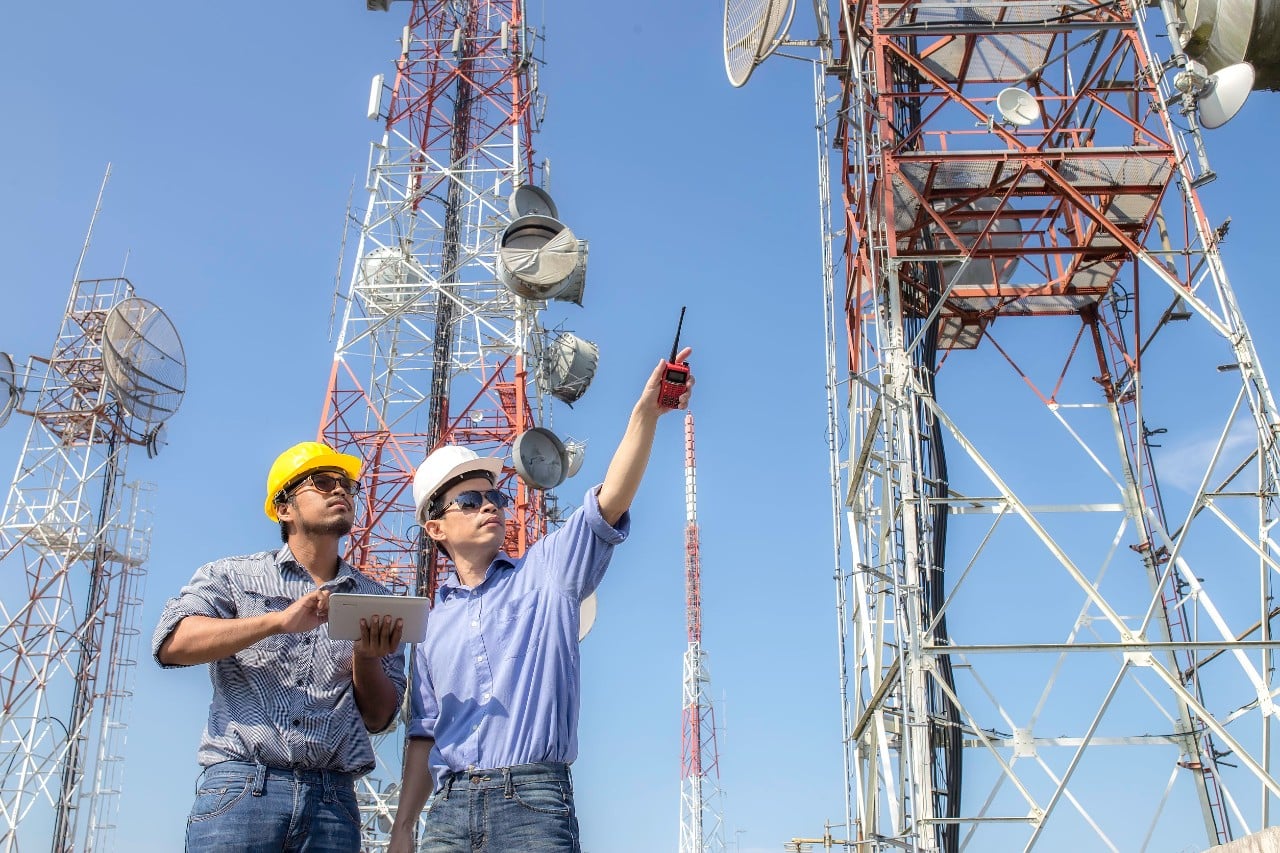


5G is not just the next generation of telecom technology. It is probably one of the greatest technological shifts in our society. At its peak (high band and above) it has potential to change the world into a fairytale land we have seen in sci-fi movies, a digital city with flying cars, intelligent roads, and smart homes. 5G has the potential to power all of those. If the Internet was one of the greatest inventions of all time, 5G gives a whole new scale to Internet connectivity, access, and capacity. For comparison, 5G is expected to be nearly 100 times faster than 4G.
A technological shift of this scale inevitably has both pros and cons. There are still quite a few uncertainties with the technology, timeline, and applications. However, there is one thing that’s certain: it’s a golden period for telco that will power how we all live differently in a 5G and beyond world. We are going to see an unprecedented change in the business landscape, new businesses, new business models, new ways of delivery for education, employment, and healthcare. These are the three pillars of our society, all led by the 5G networks.
This obviously comes with a significant financial upside for telcos. 5G services themselves are supposed to be a $1T market in the next five years. Telcos will capture a large part of it. An analysis of the top telco shows that they each have an opportunity to add $50-100 billion to their revenue from 5G in the next five years, if they could just maintain their current market share. There’d be much higher rewards for outgrowing the market, of course.
Telco and Revenue (2019 or similar timeframe)
AT&T ($182B)
Verizon ($132B)
NTT ($113B)
China Mobile ($112B)
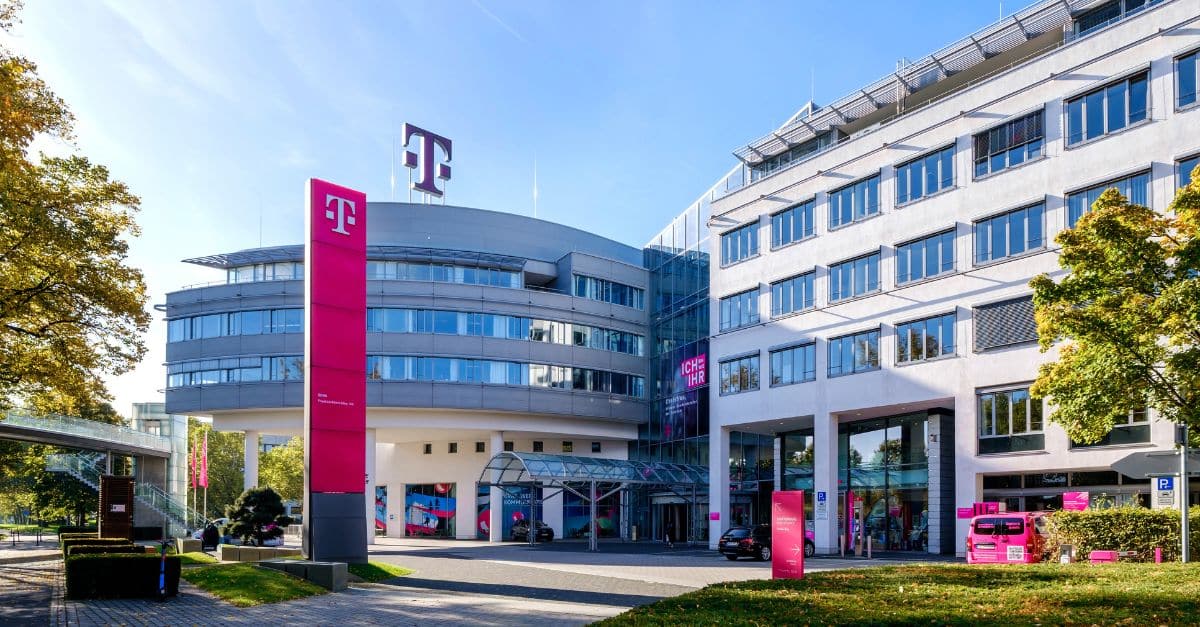
Deutsche Telecom ($95B)
Softbank ($60B)
Telefonica ($58B)
China Telecom ($55B)
América Móvil ($55B)
Vodafone ($50B)
Capturing the value wouldn’t happen without significant investments in building the 5G business. One of the biggest challenges telcos are going to run into is talent. While 5G is built on 4G and previous-generation technology, there are significant differences, and several new technologies (e.g. beamforming, mini-cell) come together to make 5G work. The potential implications for businesses, government, and consumers are the other areas for telcos to consider while thinking about the capabilities/talent strategy.
As Telcos think about the capability/talent strategy that enables 5G business, they can create a holistic strategy by focusing on three dimensions:
- Extending skills from the previous generations
- Building new capabilities
- Human security (Yes! Not cyber security)
Extending skills from the previous generations: Despite unprecedented strength in technology and infrastructure, 5G builds upon a lot of the goodness of 4G and previous generations of telecom technology. For example, MIMO of the 4G requires enhancements for 5G to become massive MIMO. The new micro-cell infrastructure builds on the existing 4G infrastructure to drive the new network and signal processing. One of the biggest tasks ahead for telcos will be connecting these dots on capabilities and skills across various generations to discover talent for the 5G business.
Building new capabilities: 5G would require several net new capabilities in the telco business. There are several categories of capabilities, but the three most important categories are a) Technical, b) Market and Use-case Development, and c) Customer Success.
Technical capabilities: There are new capabilities (e.g. Beamforming, managing network of Mini cells) required in 5G. Understanding those capabilities at a deeper level, understanding adjacencies, and relationships across various related skills would be the way to unlock the new capabilities and finding the right talent.
Market and use-case development: This is an interesting aspect of 5G technology. The applications are so vast and untouched that telcos may need to lead the way for the market. That means incubating applications on their own and proving the technical and commercial viability. An example would be building next-generation retail stores where people have the whole new immersive experience. Being a close partner in building future smart cities is another example. It wouldn’t be surprising if telcos uncover the next multiple-billion-dollar opportunities for themselves in this process. This is the most exciting part of building the 5G business for people outside of the technical sphere, and hinges on ability to discover talent that sits at the intersection of technology, business, and customers.
Customer Success: This is a SaaS concept, but, it’s likely going to be a very critical capability for the 5G business. 5G is going to bring the changes that society has never seen before. For example, the ability to download a 4K movie in a second unlocks applications that this world has not seen before. That also means even the application providers will grapple with the management of the technology and how to help their own customers effectively. Telcos will need to play a critical role in leading customers to successfully navigate the new normal of technology and build successful solutions and businesses. Data and AI will play a critical role in predicting customer needs and guiding them digitally to derive value from their investments.
Human security: There’s already been discussion of an exponential rise in microwave radiation for its impact on our cognitive, physical, and mental health. 5G is only going to accelerate that especially with the mini-cell technology, millimeter waves, and a larger spectrum, despite initial studies of it being less harmful. Government may play some role in regulating those implications. But telcos have an opportunity to rise to the occasion and play a critical role in keeping human health and security first in the development, deployment, and management of the technology. Telcos would need to set the human-security-first framework for the industry for 5G applications and solutions that focuses on reducing radiation while doing more on existing infrastructure and radiation. From a talent perspective, it’s an interesting intersection of telecom, human biology, and compassion. This will be a core differentiating factor for telcos and will distinguish leaders from the followers.
5G is here. It’s not too far from having a deep and meaningful impact on the society. There is no doubt that next decade belongs to telcos to build and run the infrastructure and services that power the transition to 5G, though it will require innovation and execution at a pace faster than any of the previous generations of technology. In such an environment, the telcos with the best talent are bound to win the market.