

Hiring veterans may have a patriotic aspect, but this group of overlooked talent also brings valuable and hard-to-find skills into organizations.
Veterans looking to bring their talents to civilian life need more visibility. “Either you don’t see me and you’re underemploying me, or you’re passing me by because of a misunderstanding of what I could bring to your organization,” said Don Moore, Military Initiatives Program Manager at Eightfold AI, in a recent interview. “It’s a constant battle that 200,000 service members experience every year.”
The good news is that momentum to hire and nurture the veteran community continues to grow in the talent space. Both public agencies like the U.S. Department of Labor and private companies like Micron are doubling down on building robust veteran hiring programs.
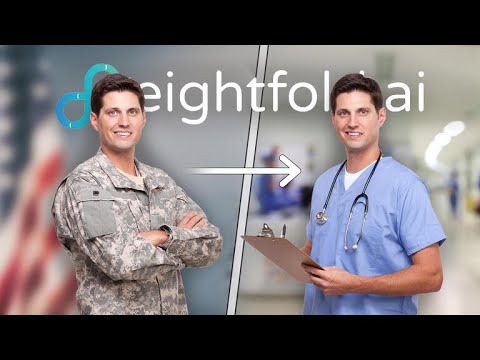
After a 24-year career in the U.S. Air Force, Moore found himself as a service member transitioning into talent acquisition. In his current role at Eightfold, he brings an invaluable perspective on the benefits organizations can reap by nurturing this group — and AI’s role in connecting veterans with job opportunities.
In celebration of Veterans Day — and finding the right career for everyone in the world — here’s what Moore had to say about why organizations should hire more veterans and how they can remove barriers. (Ed note: Quotes have been edited for clarity and length.)
Which unique attributes or capabilities do veterans bring to the table?

Don Moore: Eight attributes stand out to me, and I’ll walk you through my perspective on each.
They are self-starters. In the military, they give you an objective. For example, “Take 10 people to surveil the antenna system three miles away and get back without being seen.” But there are no step-by-step directions. Instead, service members are responsible for making decisions even at an early age. Veterans bring this mentality of problem-solving and thinking on their feet to their civilian life.
They are trustworthy. We’ve got people who have top-secret security clearances. The service trusts them with highly sensitive information: data, logistics, materials, and expensive equipment. These people have experience with enormous responsibilities.
They have highly transferable skills. For example, service members may have a different role in the Navy, but they’re firefighters if a fire breaks out on a ship. So they also need leadership skills, the ability to handle stressful situations, and an understanding of the procedures to put that fire out. These alternate contextual skills are critical and are why veterans are comfortable assuming multiple responsibilities when needed.
They are technical. The exposure to highly specialized training veterans get at an early age with weaponry, radio systems, and other communication systems prepares them to handle, learn, and excel in complex tasks.

They are adaptable and resilient. Most veterans excel at stress management by getting their work done without panicking. With the nature of the environment they operate in, whether desert heat or arctic cold, veterans are trained to persist under not-favorable conditions.
They value teamwork. Teamwork is massive in the military. When people are in battle, they generally fight for the person on the left and the right. So veterans can’t help but bring that teamwork with them. Companies can spend millions of dollars trying to foster teamwork, yet these people can be spark plugs and catalysts for teamwork from day one.
They are loyal and committed. In service, there’s respect for authority and an understanding of the chain of command. There’s also a knowledge of using resources up and down that chain to air grievances and affect change in environments that demand problem-solving.
They have diverse backgrounds and cross-cultural experiences. Leaving the confines of your hometown and serving in Japan, South Korea, Germany, or Afghanistan exposes service members to other cultures. There’s not a company in the world that could not benefit from these diverse experiences and empathy for other people.
Tell us how organizations can remove barriers for transitioning veterans looking for jobs.
Moore: To create a more inclusive process for veterans, organizations should assess for unconscious bias, rethink the application process, and familiarize their hiring managers with the military vernacular.
Challenge biases. Veteran experiences are diverse. This community fights the idea of warfare from an online gaming situation where blood runs out of people’s mouths, their teeth are bared, and they’re firing weapons. Or they think that every veteran has debilitating PTSD. These are important topics, but employers should not assume that all service members have experienced violence or trauma. Because these biases are often unconscious, organizations adopt a skills-based approach to help level the playing field.
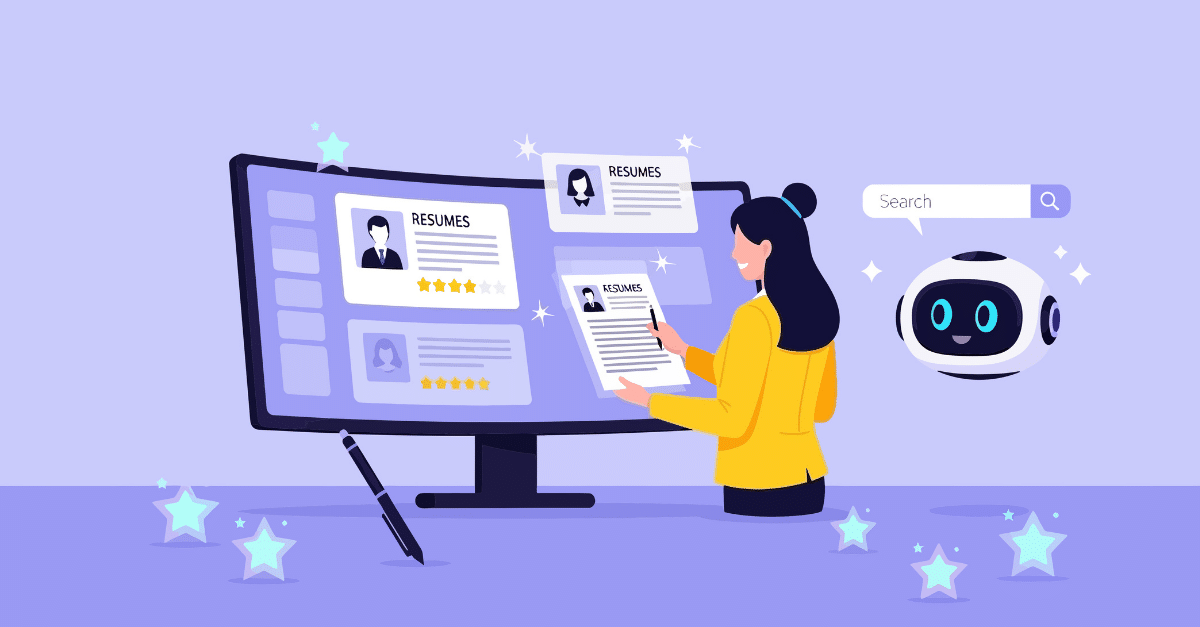
Don’t judge a service member by their resume. When service members separate, they don’t have resumes. They build up a file base of accomplishments, including transcripts, awards, and decorations, but it’s not represented in a resume form. When they go to interview or apply for a job, they often say, “We installed this software in 40 hours to head off a cyberattack.” More likely than not, they’ll undersell their influence. We must keep going below the iceberg to see their potential because service members often won’t represent themselves well in resumes or interviews.

Learn the military vernacular. It’s common for recruiters and hiring managers to inadvertently undervalue or misunderstand military experience because of a lack of institutional knowledge. It’s not their fault that they don’t understand how a nuclear weapons inventory system operates. For employers using AI to translate how military skills apply to jobs, we’ve heard employers say, “I would never have considered them for that position. I would never have thought they could do that.”
How can organizations better connect with more veterans?
Moore: We’ve been talking about recognizing talent and potential, which is where AI comes into play.
Even as a very good recruiter, I couldn’t consume enough data in my head to find all the right candidates. So it’s invaluable to fast-forward the process of matching candidates to jobs without bias.
AI levels the playing field for all candidates. In the case of veterans without resumes, it naturally surfaces skills and attributes that they either neglect to mention or are too humble to admit. [Click to tweet]
For service members, the benefit of AI is that a self-hunting job description can discover you. We’re putting recruiting on hyperdrive. We’re matching up the components of the people who don’t know enough about candidates to learn more about them or matching candidates who don’t know enough about employment to dream beyond what the job is they did in the military, so they don’t get stovepiped. It’s huge.
Learn about how an AI-powered talent matching platform allows Army Reserve members to find short-term work within the Department of Defense in this podcast episode.