

[Ed note: This post originally appeared in Amber Grewal’s Talent Transformed newsletter on LinkedIn.]
Over the past 25 years, I’ve had the privilege of leading talent transformation at some of the world’s most innovative organizations. Through every wave of technology, from early applicant tracking systems to machine learning to today’s generative and agentic AI, one truth has remained constant:
Technology is an enabler for humans, not a replacement.
The most successful implementations I’ve seen, whether at a global consulting firm, a Fortune 500 manufacturer, or a new age AI tech company, share common threads: clarity of purpose, transparency in how tools are used, and a relentless focus on impact and benefit for people. Humans have always been, and will always be, in the loop.
Today, AI is everywhere. According to BCG research, when companies experiment with AI, 70% are doing so within HR, with talent acquisition as the leading use case. And 92% of firms report seeing real benefits. This isn’t hype — it’s transformation happening in real time.
But with that transformation comes responsibility. As AI capabilities advance, especially as we move into the era of agentic AI, the need for thoughtful, transparent adoption has never been greater.
That’s why I’ve put together this checklist: practical best practices for employers, candidates, and vendors to ensure AI serves its intended purpose of empowering people to do their best work and find their best opportunities.
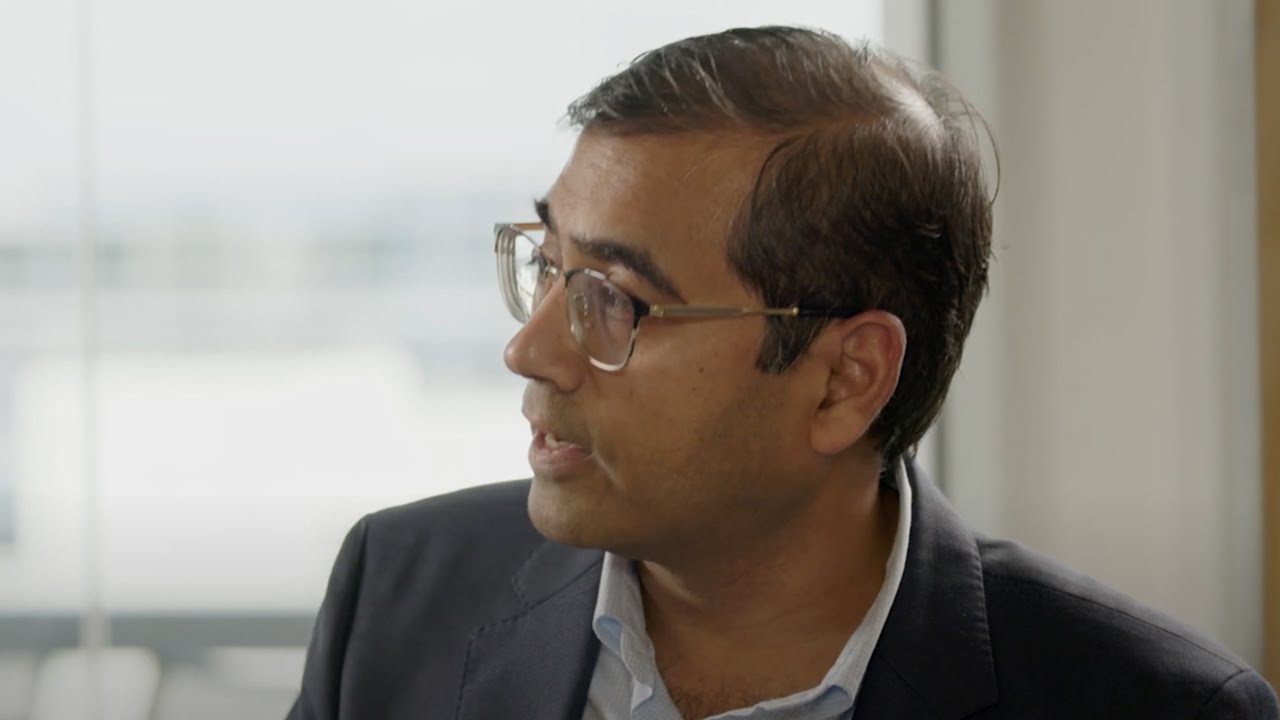
Eightfold CEO and Co-founder Ashutosh Garg discusses the importance of responsible AI with Josh Bersin.
Why transparency is the foundation
Throughout my career, I’ve learned that transparency isn’t just good ethics — it’s good business. When people understand how technology is being used, they trust it more. They engage more. They perform better.
Research backs this up. The Bentley-Gallup Business in Society report found that 57% of Americans say the most important thing companies can do to reduce AI concerns is be transparent about how it’s used.
Research from Penn State’s Arthur W. Page Center shows that job applicants hold more positive attitudes toward companies that demonstrate efforts to use AI transparently and ethically. And 79% of candidates want to know when AI is used in hiring decisions.
The companies winning the talent war aren’t hiding their use of AI. They’re leading with it. They’re explaining how it works, what humans decide, and how it benefits everyone involved. This transparency builds trust, improves candidate experience, and ultimately delivers better hiring outcomes.
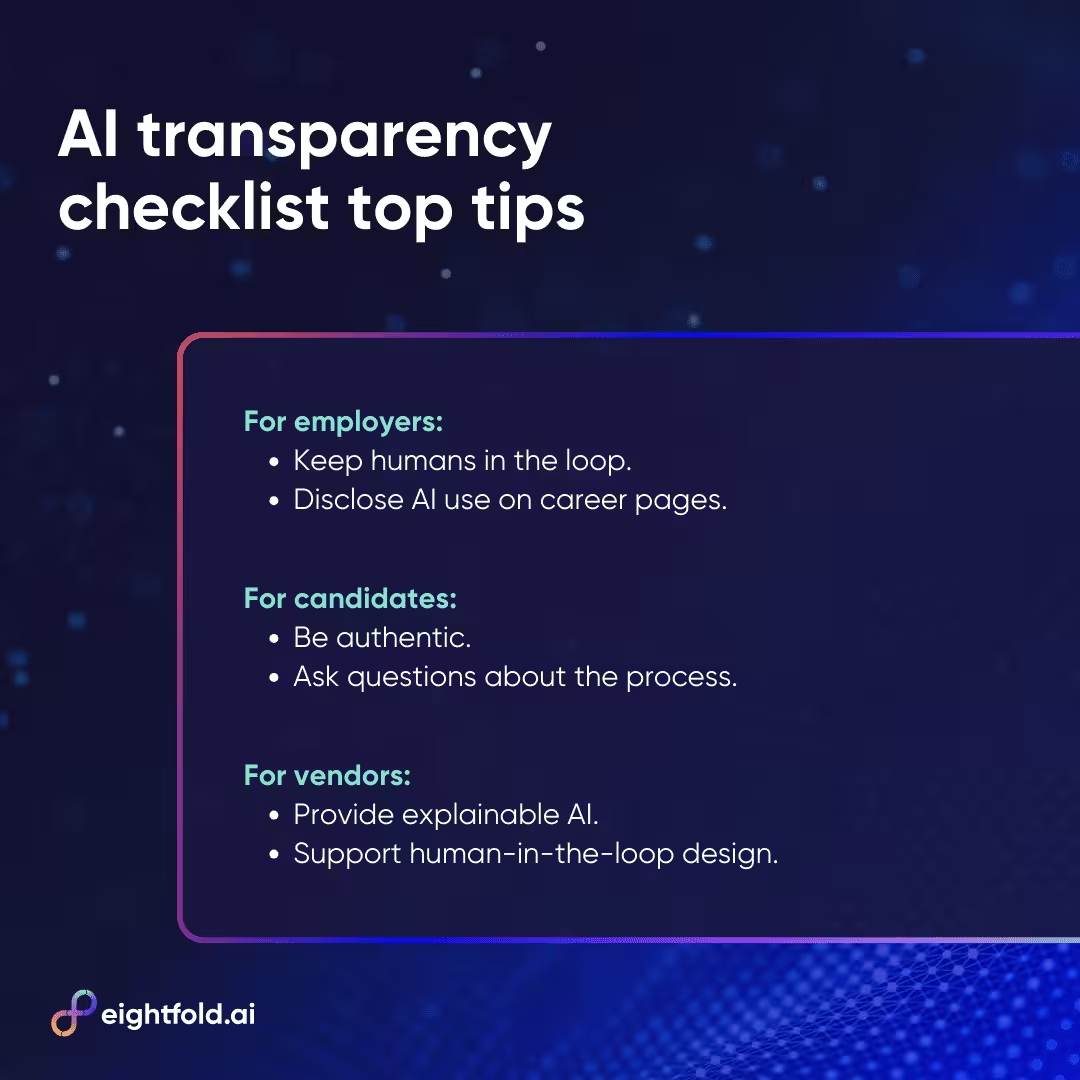
The AI transparency checklist
Based on my experience leading talent transformation across industries, there are six best practices for each stakeholder in the hiring ecosystem. These aren’t theoretical. They’re drawn from what I’ve seen work in practice.
Employer checklist
- Disclose AI use on career pages — Publish clear statements about how, where, and what AI tools are used. Explain what AI does and what humans decide.
- Provide alternative pathways — Offer candidates alternative assessment methods if they prefer traditional review.
- Vet your AI tools for fairness — Make sure AI tools and vendors are regularly tested for fairness across different groups.
- Keep humans in the loop — Ensure recruiters and hiring managers remain in control of final decisions. Technology recommends; people decide.
- Extend transparency to employees — Apply the same transparency principles to AI used for performance and development.
- Create feedback loops — Ask candidates and employees how they feel about AI. Use dialogue to continuously improve.
Candidate checklist
- Review company career pages — Before applying, check how companies describe their hiring process. Look for transparency about AI use.
- Ask questions about the process — Don’t hesitate to ask recruiters how AI is used. Inquire about alternative assessment methods.
- Use AI thoughtfully for preparation — AI can help with interview prep and resume optimization. Use it as a coach, not a crutch.
- Control your skills narrative — Most platforms let you customize which skills you highlight. Tell your story.
- Leverage AI for upskilling — Use AI to identify skill gaps and find learning opportunities. Run mock interviews.
- Be authentic — If you use AI to help with applications, ensure the output reflects your true voice.
Vendor checklist
- Provide explainable AI — Offer clear explanations of how your tools reach conclusions.
- Share audit results proactively — Provide documentation on data sources, training approaches, and bias testing results.
- Enable compliance by design — Build disclosure and consent workflows into your platform.
- Partner on accountability — Work alongside customers to ensure responsible use. Provide training and best practices.
- Support human-in-the-loop design — Design systems that recommend, not decide. Build in clear handoff points.
- Invest in diverse training data — Audit training data for bias. Use diverse datasets.

Checklist in action
I’ve had the opportunity to work with and learn from organizations doing this well. Here are examples:
- Boston Consulting Group (BCG)‘s AI TALENT Promise stands for Transparent, Accountable, Learning-centered, Ethical, Notified, and Trustworthy. On their careers page, BCG explains that AI should elevate human potential, not replace it. They explicitly state that human beings remain the final decision-makers. This is the standard I’ve seen deliver results.
- IBM has built its AI governance on five pillars of trustworthy AI: Explainability, Fairness, Robustness, Transparency, and Privacy. As someone who led global talent acquisition at IBM across 170 countries, IBM has also developed open-source toolkits like AI Fairness 360 for bias detection, making responsible AI accessible to the broader community.
- Citi has mandated AI literacy training for 175,000 employees, recognizing that responsible AI use requires an educated workforce. Their approach emphasizes human-in-the-loop oversight and making governance a feature, not a burden. They’ve shown that investing in people and technology together creates sustainable transformation.
- Microsoft publishes an annual Responsible AI Transparency Report built on six principles: fairness, reliability and safety, privacy and security, inclusiveness, transparency, and accountability. What impresses me most: 99% of their employees have completed responsible AI training. They’re walking the talk at scale.
- JPMorganChase invests $18 billion annually in technology with substantial AI commitments. What sets them apart is transparency about both opportunities and challenges. They’re honest about how AI will transform roles while investing heavily in reskilling. That combination of candor and commitment is rare and valuable.
- Ford Motor Company has established AI Ethics Principles built on seven pillars, including Transparency, Accountability and Explainability. Their research found that over 80% of people believe companies should openly disclose their use of AI and they’ve responded by embedding these principles across their organization.
- Unilever reduced hiring time from four months to four weeks while improving workforce diversity. The key: they inform candidates about AI usage upfront, which research shows creates more positive perceptions and higher completion rates.
What these organizations share: they view transparency as a competitive advantage and invest in both the technology and the people who use it.

The human purpose of AI
After 25 years in this field, I remain optimistic about what technology can do for talent. I’ve seen AI help companies find candidates they would have overlooked. I’ve seen it free recruiters from administrative burden so they can focus on relationship-building. I’ve seen it create more consistent, fair processes that give everyone a better chance.
But I’ve also learned that technology alone isn’t the answer. The organizations that get the best results are those that combine powerful tools with clear principles. They’re transparent about what they’re doing and why. They keep humans at the center of decisions that affect people’s lives and careers.
AI is here. It’s in every business function, growing more capable every day. The question isn’t whether to use it — it’s how to use it thoughtfully. The checklist above is a starting point, drawn from what I’ve seen work across industries and organizations.
The goal has never changed: technology should create productivity, drive better results, and unlock human potential. When we deploy AI with transparency, with humans in the loop, and with a clear focus on benefit for everyone involved, that’s exactly what happens.
Ready to lead your own AI transformation in HR? Start with recruiting — request a demo to see how AI Interviewer can get your journey started.