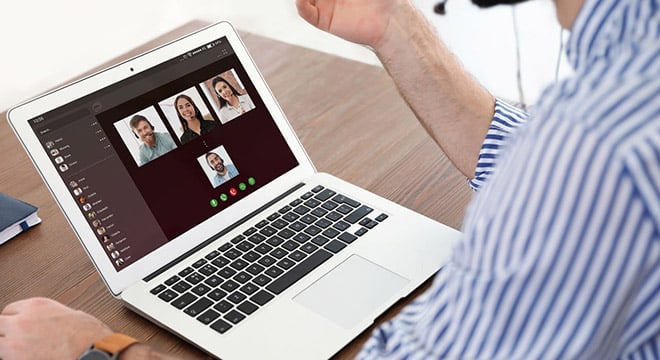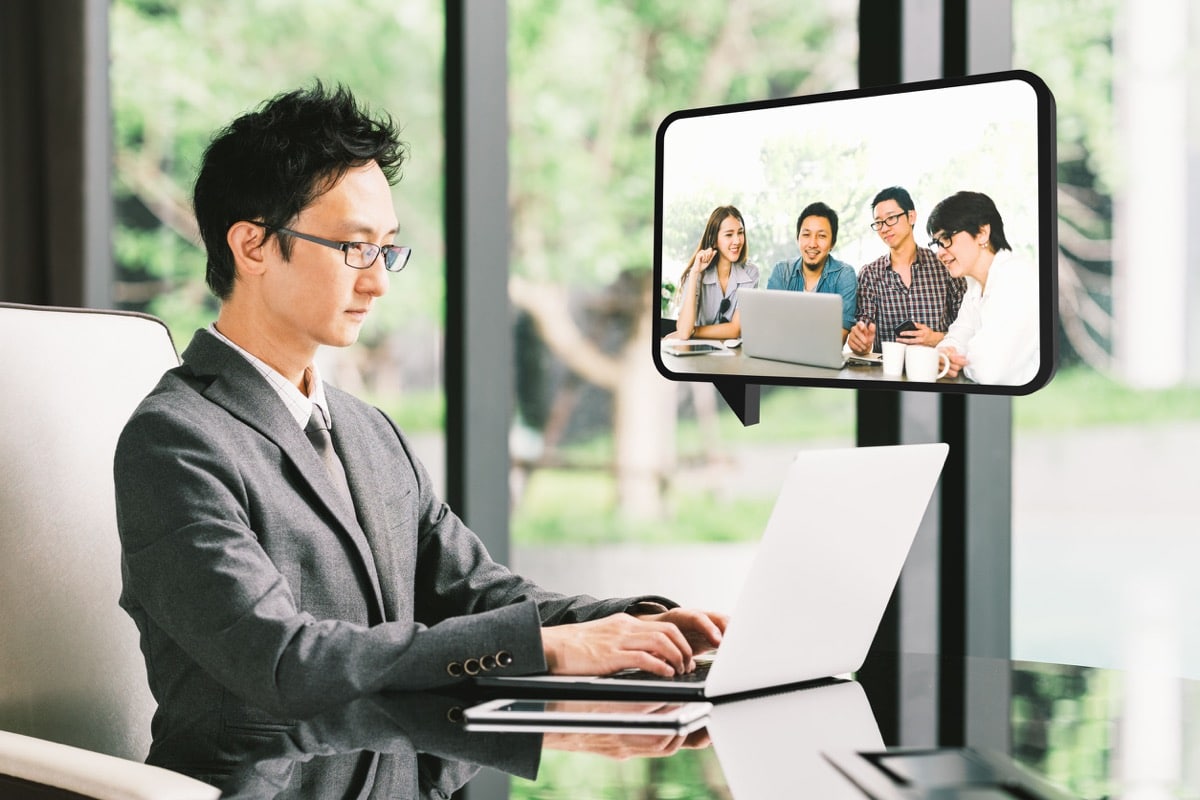


Remote working has fast become the norm for many organizations due to the COVID-19 outbreak.
As Automattic Inc.’s Matt Mullenweg says: “This is not how I envisioned the distributed work revolution taking hold.” Nevertheless, the reasons for the shift are beyond our control and, positively, could provide employees with much needed flexibility and autonomy in how and where they work.
For some businesses, remote working options had already been put in place. Others have had to adapt processes to facilitate the transition.
Managing remote workers presents unique considerations for employers, particularly if a new recruit was hired to work at the office and suddenly had to shift to home-based working.
Here, we look at how employers can manage these newly remote employees.
Clearly define expectations
Telling employees what is expected of them so that they work effectively seems straightforward. Yet nearly 50 percent of U.S. employees — remote and office-based — don’t know what is expected of them, Jennifer Robison at Gallup reports.
Clear guidance is vital to employees’ success. Robison says to think of expectations in terms of XYZ: “X is the work you should do, Y is the quality standard, Z is the deadline.”
Other expectations might include aligning employees’ deliverables with the company mission. “We’ll keep our customers engaged by doing X, we’ll maintain our standards by doing Y, we’ll fulfill our mission by doing Z,” Robison says. “The more detail, the better.”
Agree to certain fundamentals
Setting expectations for employees is essential whether they are working at the office or from home. It’s vital that they know what to do, how to do it, and by when to do it. Kevin Kruse, CEO of LEADx, says leaders of remote teams should set out three agreements that employees must adhere to:
- Agree to normal working hours that all team members must stick to. This will help to create consistency to the work day.
- Employees should also agree to timeframes for replying to colleagues’ queries. Kruse says that specific communication channels should determine the urgency of the need to reply. So calls are urgent and require immediate response, whereas emails are less pressured.
- There should also be clear agreement concerning how team members should inform others when those expectations cannot be met.
Set up virtual meet and greets
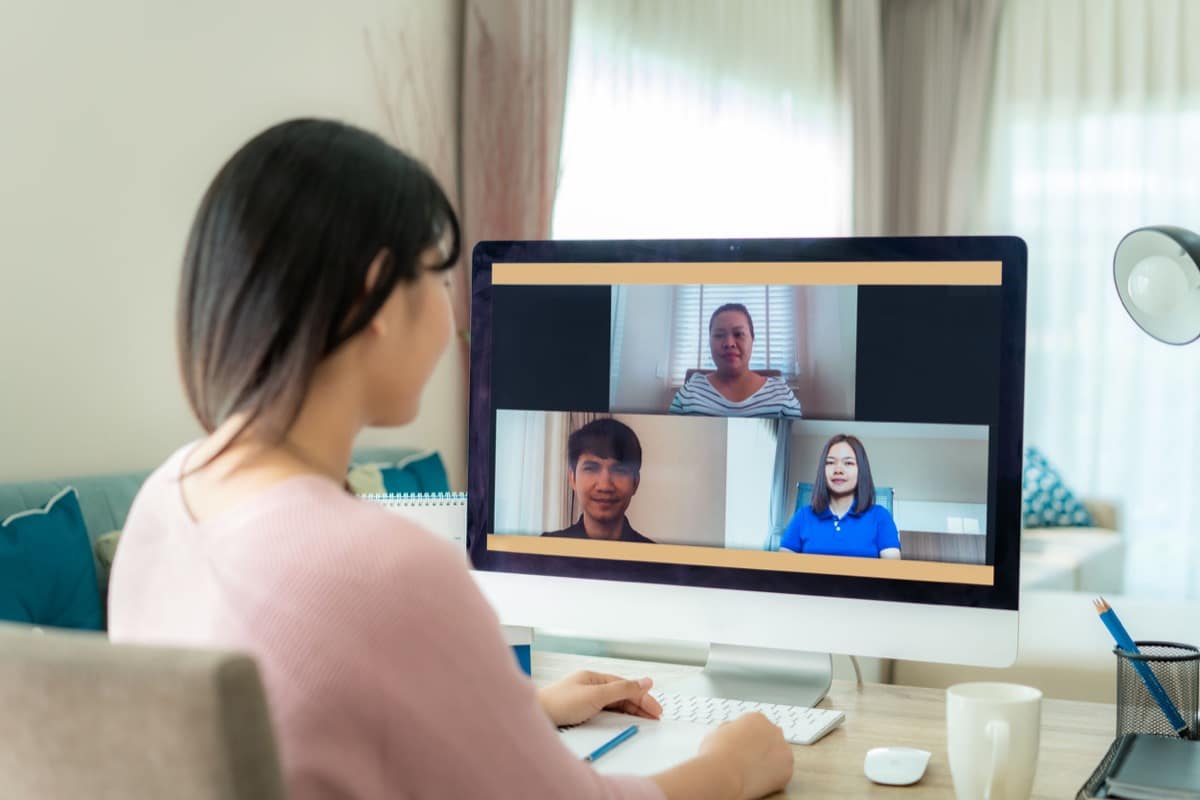
New employees suddenly forced to work remotely may feel as though they’re missing out on connecting with their new colleagues. After all, those connections have a big impact on how much a new hire feels a sense of belonging within the company. Leaders of remote teams can help people to connect via virtual meetings and introductions, says Jo Deal, CHRO at LogMeIn.
Deal says to set up a meet-and-greet plan that can last for several weeks. During this period, new hires can virtually meet their colleagues and build their own colleague networks. There are multiple advantages to such an approach: New hires will learn more about the company from peers as well as better understand their role and how it fits in with the responsibilities of others.
Provide employees with the tools they need
There are basics that employers may take for granted. Author Jono Bacon says that many remote employees will benefit from an orientation session detailing how to set up a home-working space that is quiet and ergonomically appropriate. But information about how to manage family demands — e.g. setting up hours during which interruptions are not allowed — will also be helpful.
Bacon says setting up employees with the necessary tools and technology will also be essential to their meeting employers’ expectations. Consider that many employees will need a VPN to work from home. Alex Willis, VP of global sales engineering at Blackberry Cylance, says that removing any VPN issues will help employees deliver. What’s required is a fast and safe connection so remote workers can access and share the data they need.
Highlight flexibility and outcomes-based approaches to work
Remote workers should be given a sense of autonomy in choosing when and how they work.
Flexibility is vital, says Scott Mautz, author of “Find the Fire” and “Make It Matter.” Taking such an approach is not just good during the pandemic but in line with the ongoing global shift toward remote work.
Mautz says a culture of flexibility entails taking time to set clear expectations but then also trusting that employees will deliver. This requires team leaders to manage employees’ progress through outcomes rather than observation, as might happen in a workplace. Mautz adds: “If the employee delivers, who cares how it’s done?”
Outcome-based appraisals make sense. Jason Aten at Inc. says trying to oversee every aspect of the team’s work will be impractical. So, don’t focus on the hours worked but rather on the outcomes achieved.
Accountability coach Kristof Maeyens says trust is vital, as it gives employees space and time to meet leaders’ expectations. Micromanagement is ineffective. Team leaders will quickly find out which remote workers deliver and which don’t.

Protect employee health and wellbeing
Employers will expect that remote workers deliver on their deadlines and workloads. But employees will also expect support from their managers and HR departments. Setting up processes to safeguard employee wellbeing is essential at this time.
“People respond to uncertain times in different ways. Some can’t focus, are distracted and overwhelmed, some go into survival mode, while some excel in a new challenge,” says Matt Stephens, CEO of Inpulse.
Team leaders will need to understand these different types of responses and ensure the vulnerable are supported. Engagement is key to ensuring employees don’t feel as though they are being forgotten. Stephens says to focus on communicating business goals and imminent challenges, then speak with employees in an open and transparent way. This will help to reduce employees’ anxiety and help them understand the collective focus and company’s needs.
“Providing short, focused objectives to their people and setting clear expectations help teams stay focused and avoid being distracted,” Stephens adds.
Engagement can also come from team-building gatherings such as virtual pizza meetings and happy hours, says Barbara Larson, a professor of management at Northeastern University. This will help to mitigate feelings of isolation but also to reinforce that employees are collectively working toward shared goals.
Indeed, give employees time to socialize without focusing on work. Larson, alongside researchers Susan R. Vroman and Erin E. Makarius, write at Harvard Business Review that having “informal conversations about non-work topics” helps employees relax and connect with colleagues. This is particularly helpful for employees who have suddenly been forced into remote working.
Basic tips for team leaders to add socializing elements into the work day include beginning conference calls with personal catch-ups to find out how people are doing and coping with the daily experiences of remote working. Hosting virtual office parties is another good practice.
Remote working is favorable to many employees, but not everyone will feel comfortable working from home, removed from the workplace. This may be particularly true for new hires who suddenly find themselves working remotely due to unforeseen circumstances such as the COVID-19 pandemic.
Nevertheless, these new hires — and indeed all who have shifted to a remote working set up — need to have expectations clearly set for them. This requires effective and regular communication along with a flexible culture that supports an outcomes-based approach. Get this right, then put the correct tools and processes in place, and new hires will thrive.
Images by: Undrey/©123RF.com, Ake1150/©123RF.com, torwai/©123RF.com