

The pace of change at work isn’t slowing down, and most of us can feel it. According to Deloitte’s 2026 Global Human Capital Trends, one in three workers navigated 15 or more major changes this past year, yet only 27% of organizations believe they manage change well. That distance between how fast change arrives and how well we absorb it has a name most of our people know intimately: change exhaustion.
So in my conversations with talent leaders, I keep coming back to one question: how do we help our people not just survive constant change, but stay relevant and grow through it?
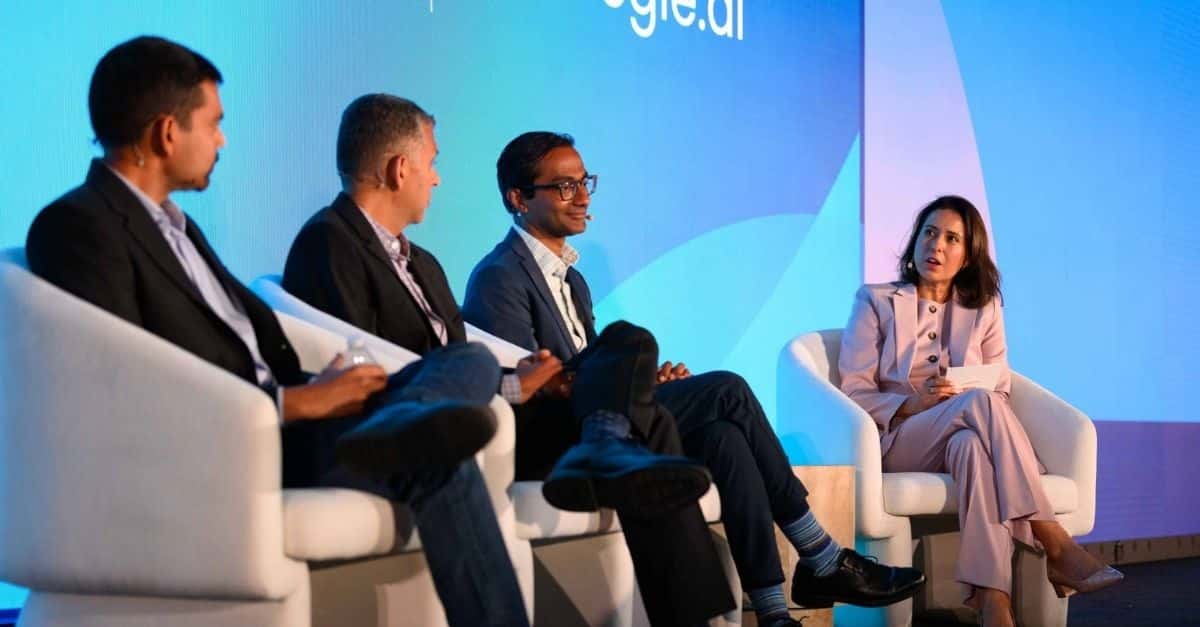
In my recent webinar with Sue Cantrell, Vice President of Products, Workforce Strategies at Deloitte to talk through this year’s research, one finding stood out to me. The organizations pulling ahead, aren’t managing change better than everyone else. They’ve stopped treating change as a series of one-time events to push through, and started building adaptability into how work gets done every day. Sitting at the intersection of people strategy and product at Eightfold, I see the same pattern up close: the difference is rarely effort or intent. It’s visibility.
That visibility gap is not abstract — it shows up in the everyday decisions managers are asked to make. If there’s one number worth writing down, it’s this: only 11% of managers strongly agree they have the data and tools to decide who does what (Deloitte, 2026). Flip that around and it is sobering: nearly nine in ten managers are being asked to make people decisions without the data to back them up. That’s not a willingness problem. Every manager I talk to wants to make that call well. They’re simply making it from memory, headcount reports, and gut feel. And that is the real cost: a strategy set in the boardroom never reaches the actual work until the manager on a Tuesday morning can see more than they can today.
So what are the most adaptive organizations doing differently? In my opinion here are the three moves that stand out.
1. They orchestrate talent to the work, not the other way around
Instead of locking a plan and executing it for a year, these organizations continuously sense where capability is needed and move people — and AI — to meet it. Deloitte found that orchestrating capability and capacity at speed was the single highest-ranked priority in this year’s study, with 88% calling it important, yet only 7% making real progress. The payoff is tangible: when Levi Strauss brought a cross-functional team together and added AI to the mix, it designed, delivered, and marketed a new product line in three months, creating a 15% sales boost.
2. They give managers a clear view of the talent they already have
This is where that 11% gap starts to close. When NTT DATA gave its managers visibility into the skills already inside the organization, it reported a 52% improvement in internal placement and a 128% increase in employees nominating themselves for new opportunities. People they had been recruiting for externally were already in the building. Deloitte’s research shows that organizations leading this way are about twice as likely as their peers to report both stronger financial results and more meaningful work for their people.
3. They make development continuous, not a once-a-year event
Helping people stay relevant is the other half of the story, and the numbers mirror the first: 85% say adaptiveness is important, and again only 7% feel they’re making progress (Deloitte, 2026). The most adaptive organizations surround their people with support inside the flow of work — from AI coaches to short, daily learning challenges — all built on a clear picture of what each person can do now and where they could go next. One global biotech company used exactly this approach to lift internal mobility by 30% and avoid millions in potential severance costs by redeploying people rather than exiting them.
Here’s what ties these three together. Orchestration needs a live picture of what people can do in order to route work. Adaptiveness needs that same picture to route growth. Most of us fund these as two separate programs, competing for budget while quietly starving for the same missing input.
And none of it works without trust. In my experience, people move at the speed of trust. They want to know what a system monitors, where their data lives, and how it’s used — and that’s a fair thing to ask. It’s worth holding our technology partners to the same standard. At Eightfold, we publish our bias-test results and maintain ISO certification and FedRAMP authorization, because transparency is what turns a one-time rollout into lasting willingness to adapt.
The future of work won’t wait for any of us to feel ready. But moving from change exhaustion to competitive edge isn’t about asking our people to absorb even more change. It’s about giving them — and their managers — a shared, honest view of talent, so we can route both work and growth to where they matter most, with people firmly in charge of the decisions that count.
For a deeper dive into the research, real-world examples, and practical next steps, check out my full conversation with Sue.