
The future is bright for U.S. manufacturing in many ways. Manufacturing remains a major factor in U.S. economic growth, and the value of foreign direct investment in the sector is high, according to the U.S. Department of Commerce.
To take advantage of these opportunities, however, manufacturing companies need talent. They must address the realities of an aging workforce and the pressures of continuous innovation and technological advancement. Finding and keeping the right talent remains an ongoing challenge for U.S. manufacturers.
Talent management in manufacturing: Challenges and opportunities
One of the biggest challenges ahead for manufacturing companies is finding talent. While projections indicate that U.S. manufacturers will need three to four million new workers by 2030, they may fall short by up to two million workers, writes Mary Josephs, founder and CEO of Verit Advisors.
Why are manufacturers struggling to find workers?
Much of the problem boils down to persistent misunderstandings of the nature of manufacturing jobs, Josephs explains. For example, public perception of manufacturing work often fails to account for modern safety standards or annual wages that are often higher than the U.S. median income. Manufacturing companies often have work to do when it comes to educating the public about the realities of manufacturing work today.
New products, new demands on talent
The nature of manufacturing work is changing the profile of top talent, too. For example, automakers face challenges from the rise of autonomous, connected vehicles and ride-sharing, Reed Doucette and fellow researchers at McKinsey write. Skill in electronics and software development, for example, will be a must for auto workers.
While auto companies are aware of the need for workers with new skills, many struggle to find the talent they require. “At the automotive-supply companies we surveyed, only about 30 percent of the respondents are confident they have the right capabilities to respond to today’s trends,” write Doucette and the McKinsey team.
Managing the impacts of Covid-19
Shutdowns necessitated by COVID-19 are placing further pressure on manufacturers already struggling to find talent. Companies find themselves juggling new demands regarding worker safety and managing staffing issues related to quarantines or shutdowns.
Safety concerns continue to affect the search for talent, as workers question whether any workplace can adequately protect them from the coronavirus. The U.S. Occupational Safety and Health Administration has fielded over 26,000 COVID-19 related safety complaints since February 2020, a number that may raise additional concerns for workers seeking jobs in non-remote workspaces like manufacturing.
To meet these concerns, manufacturers will need to focus more than ever on the safety and health of their employees. That means adapting workplaces and practices, training workers to comply with new health regulations, and communicating these standards to potential applicants.
COVID-19 has affected the search for manufacturing talent. “Still, the biggest challenges many HR leaders in manufacturing cited before the pandemic will remain,” writes Tamara Lytle for the Society for Human Resource Management. These include high worker retirement rates and the need to find and attract qualified replacements, plus new staff for company growth.
Talent management in manufacturing: The worker of the future
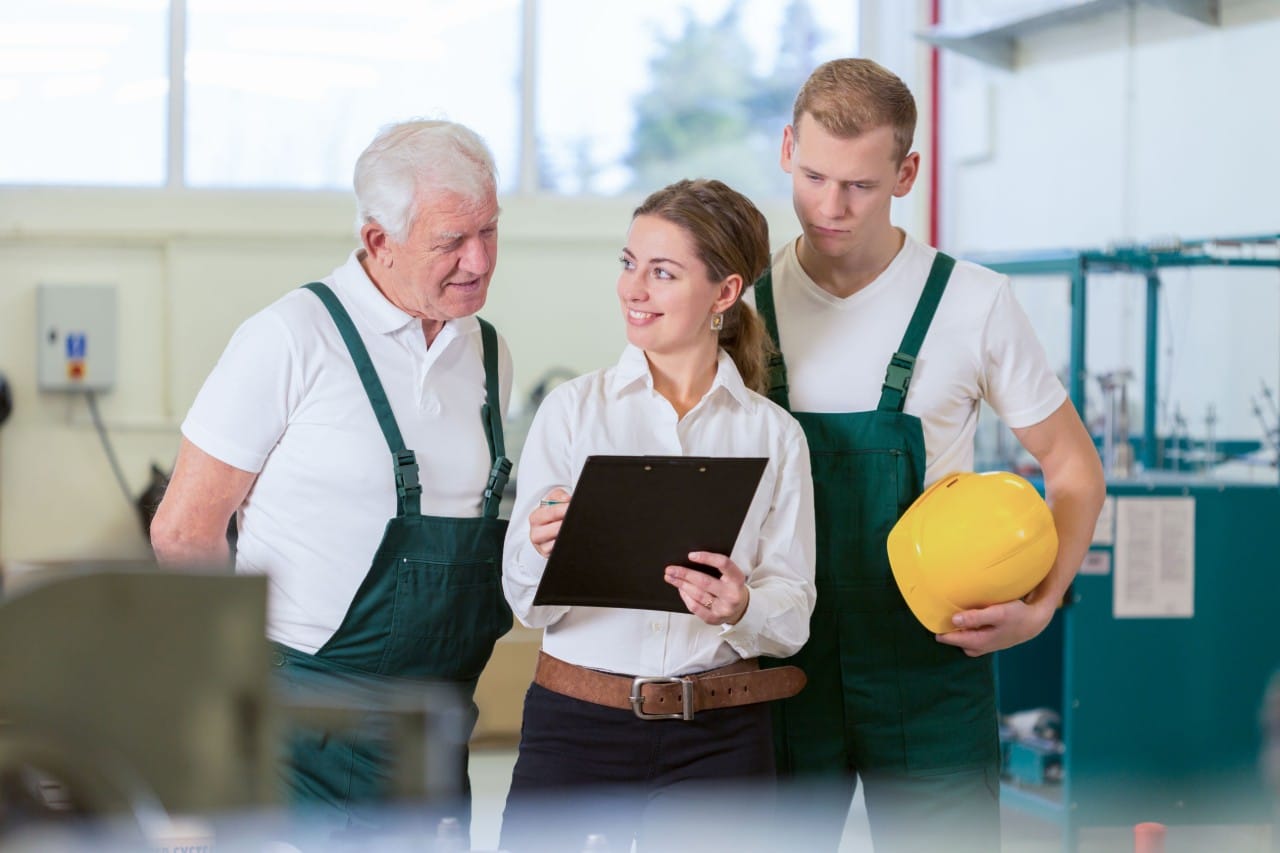
Currently, older generations remain overrepresented in manufacturing, writes Lytle. As these workers retire, they’ll be replaced by younger workers, whose skills and outlooks will change and be changed by the rigors of manufacturing.
“Up until recently, our workplaces were reflective of the Baby Boomer generation. We’re moving to an evolution of manufacturing, an evolution of leadership, and the evolution of the workforce as a whole,” writes Kim Arellano, Ph.D., an executive leadership consultant at Korn Ferry.
To build and maintain skilled manufacturing teams, companies will need to embrace this evolution.
Bridging the education gap
Manufacturers face an additional problem when it comes to finding talent: They often struggle to find workers with an adequate background in science, technology, engineering, or mathematics to keep up with the sophisticated demands on manufacturing processes.
“All companies now need more workers with a proficiency in robotic process automation, machine learning, advanced analytics, artificial intelligence, and other forms of advanced and emerging technologies,” write Andy Flach and Sharon Lindstrom at management consulting firm Protiviti. Even as employment rates rise in manufacturing as a whole, Flach and Lindstrom predict that manufacturers will continue to face challenges in finding workers with the right skills and experience for high-tech innovations.

Talent management in manufacturing: Tools for finding and keeping talent
To find and retain top talent, manufacturing companies need to address a number of key challenges. Innovation and a willingness to embrace technology are as valuable in the search for talent as they are in meeting the company’s core manufacturing challenges.
Embrace the learning journey
To embrace new technologies, manufacturers will need to update their hiring strategies as well, writes Scott Erker, Ph.D., vice president of solution architecture and client success at Korn Ferry. Rather than hiring for the skills needed to create a product, for instance, manufacturers will need to emphasize hiring for the ability to learn and enthusiasm to grow — and then provide in-house skill acquisition and growth opportunities for the people they hire.
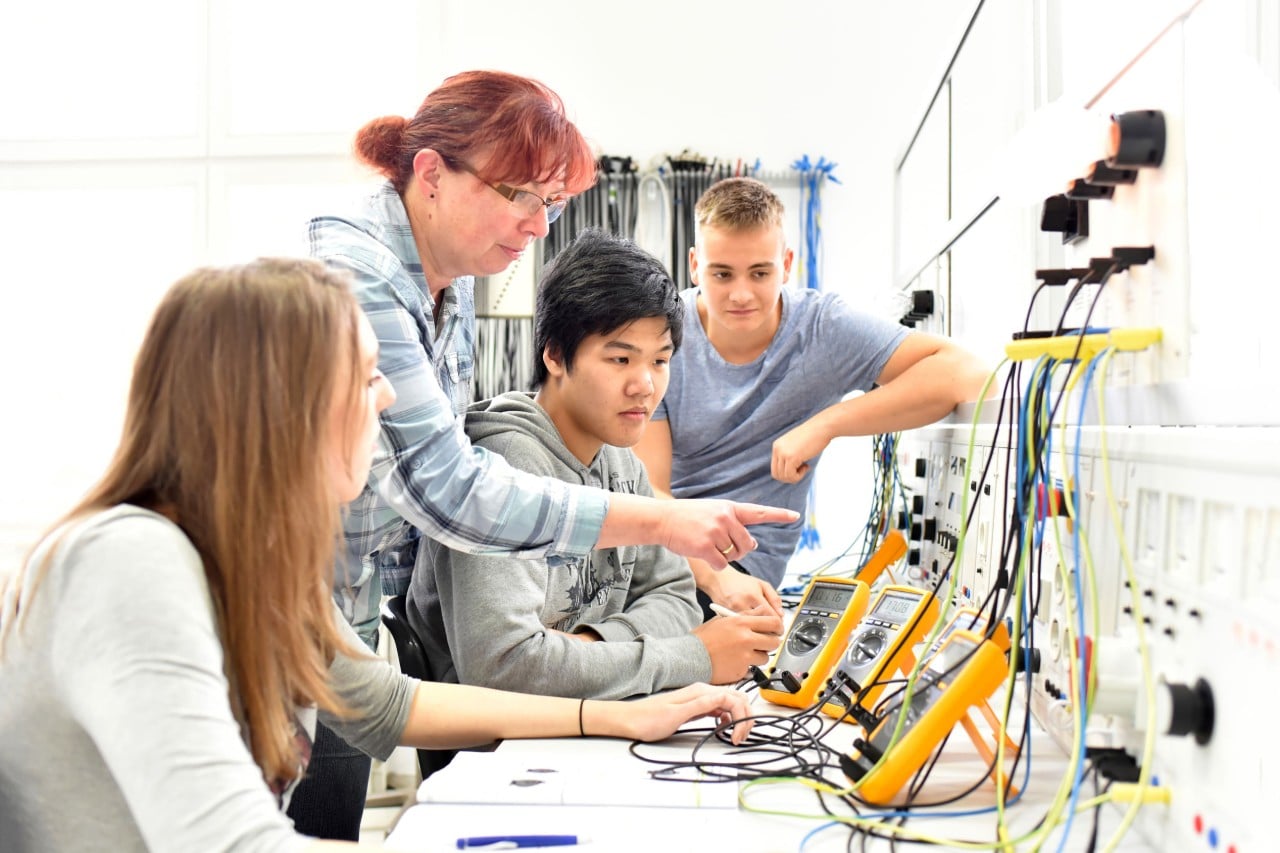
Reaching manufacturing talent with the necessary education to succeed in a high-tech environment may mean reaching out early. For example, manufacturers may have more success cultivating skilled talent if they develop relationships with college professors and trade school faculty in related disciplines and champion promising students while they’re still in school, writes Mary Bergjans, director of human resources and administration at Malisko Engineering Inc.
Finally, finding and keeping the right talent requires manufacturers to rethink learning. To help workers retain what they learn, focus on offering training and education as close as possible to the actual time and place workers have to apply the new information, writes Steve Glaveski, CEO of management consulting firm Collective Campus. Make learning a necessary and meaningful part of daily work in order to improve retention and build workers’ sense that learning is a lifelong and vital part of their role in manufacturing.
Manufacture talent
“We can manufacture talent the same way that we manufacture any other product,” says Marc Effron, president of Talent Strategy Group. While recruiting focuses on tapping into new sources of raw talent, a well-planned internal system for employee education, growth and advancement allows a manufacturing company to create the talent it needs at every level of the company.
To cultivate talent, manufacturers need clear specifications, a deep understanding of the capabilities their staff and candidates bring to the table, and concrete steps for expanding workers’ skill sets, writes Effron.
In the past, these points were typically addressed by supervisors or human resources staff. They were based on personal interactions and observations with candidates or workers. Today, however, artificial intelligence and similar tools can supplement and inform leaders’ observations. These tools can identify patterns that help hiring managers find promising candidates in unlikely places. They can also help leadership and workers envision fulfilling career paths within the company and then follow them.
Manufacturers can employ a number of strengths and embrace new opportunities in the global economy. To do so, however, they’ll need a strategy and the right tools to meet a pervasive challenge: Finding and keeping the right talent.
Images by: Katarzyna Bialasiewicz/©123RF.com, industryview/©123RF.com, photochicken/©123RF.com