

Most internships are designed to help students observe how work gets done. At Eightfold, our interns joined a company where AI isn’t just something we build. It’s how we work, how we innovate, and how we help organizations hire and grow talent. We believe the best way to learn is by contributing.
This summer, our interns didn’t spend their days on hypothetical projects or watching from the sidelines. They built agent frameworks, contributed to product launches, and solved real business problems from day one.
That kind of experience naturally leads to bigger questions.
“How will AI shape my career?”
“How do I stand out in a world where intelligence is becoming a commodity?”
“How do I know if I’m making the right choices?”
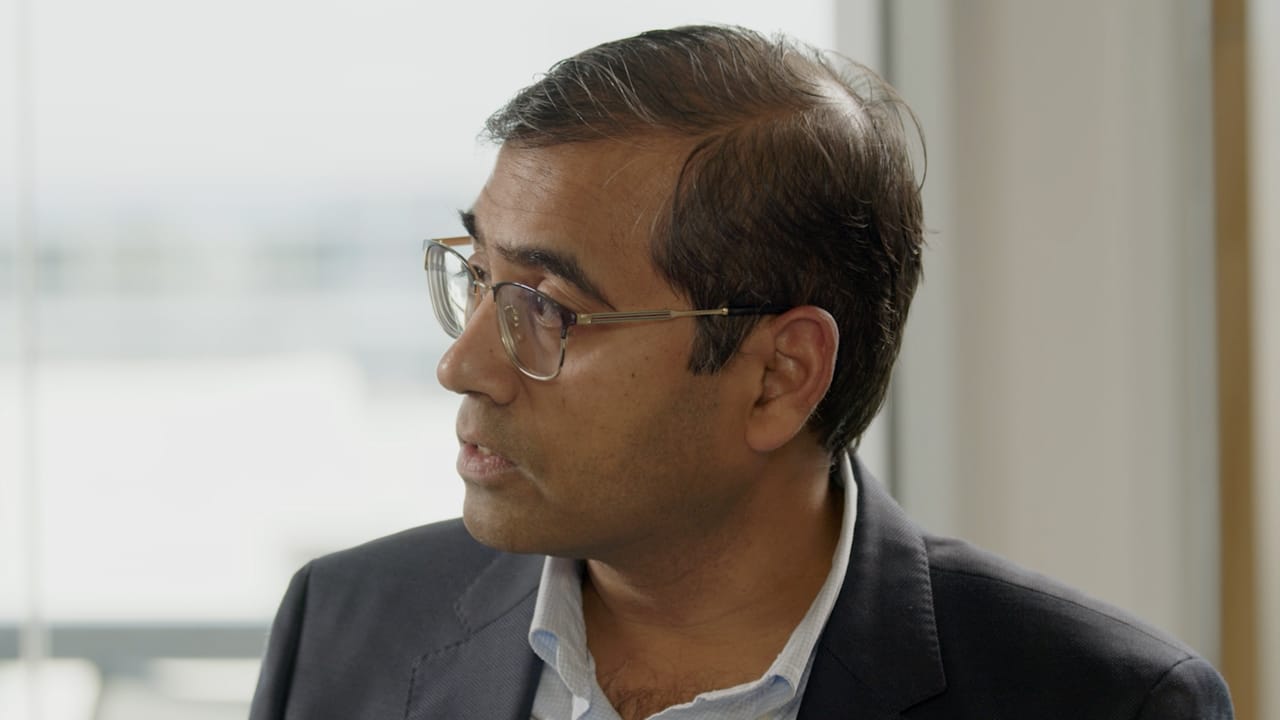
Those were some of the questions our interns brought to a recent conversation with Eightfold CEO and Co-founder Ashutosh Garg and Chief People Officer Meghna Punhani. But what stood out most wasn’t the questions themselves. It was the confidence to ask them.
This wasn’t a presentation. It was a conversation. Interns challenged assumptions about AI, asked for honest advice on navigating uncertainty, and shared openly about their experience at Eightfold. It reflected exactly the kind of culture we’re building.

The best careers are rarely planned
The discussion began with a question many interns are thinking about as they prepare to enter the workforce: What career advice would you give interns just starting out?
Meghna answered with her own story. Her career took several unexpected turns before leading the Eightfold Global People Organization. None of it was planned. Her advice was simple: don’t wait for the perfect opportunity. Stay curious, keep learning, and give your best to whatever you’re doing today. The next opportunity often comes because of the work you’ve already done.
Ashu offered a different perspective. Don’t chase titles. Focus on becoming someone people genuinely want to work with. You may not always be the smartest person in the room, but you can always choose to be the hardest-working one.
Careers aren’t built by following a perfect plan. They’re built by staying curious and giving it your all.
The human skills AI can’t replace
As an AI company, it was only natural that the conversation turned to the future of work. Many interns wondered what will differentiate people as intelligence itself becomes a commodity.
The answer wasn’t mastering every new AI tool. It wasn’t technical expertise alone, either.
It was curiosity, courage, hard work, adaptability, strong people skills, and ownership. Technology can automate tasks, but it can’t replace the person who asks a better question, earns a teammate’s trust, or takes ownership when something needs to get done.
The interns’ own experience proved the point. This is a generation coming of age just as AI is transforming everything, and they use it fluently and without fear. Yet when they talked about where their best work came from, the answer wasn’t the tools. It was conversations with teammates, ideas sharpened by different perspectives, and problems solved together. AI will keep evolving, and it will keep changing how we work, but the qualities that set great people apart haven’t changed at all.
Comfortable as they are with AI technology, some of the most honest moments in the conversation came when interns spoke openly about their fears, what AI means for their careers, the transition from school to work, and the pressure to make the “right” career choices.
Ashu and Meghna’s message was consistent: Don’t let fear become the thing that limits your potential. Growth almost always sits on the other side of uncertainty.
Ashu closed with a message that resonated throughout the conversation. Encouraging interns to let go of the fear of making the wrong move, he said, “Free yourself of that fear. You will do wonders.”

They expected to learn — they didn’t expect to be heard
The learning went both ways. Ashu and Meghna were just as interested in hearing from the interns, asking about their experiences and what they’d observed. The responses were remarkably consistent.
Many expected to spend the summer observing. Instead, they found themselves trusted with real ownership: building agent frameworks, contributing to product launches, and solving problems that mattered. They spoke about how much cross-functional exposure they’d had, and about something they hadn’t anticipated: how approachable people were. Leaders made time for questions. Teammates were generous with their expertise.
Perhaps the biggest surprise was realizing their perspectives mattered. As students, they expected to spend the summer learning from others. Instead, they found themselves sharing ideas, asking difficult questions, and seeing those ideas genuinely considered.
“We weren’t treated as ‘just interns.’ We were treated as contributors.”
That same sense of ownership showed up in their feedback. Interns shared thoughtful suggestions on the candidate experience, onboarding, learning resources, team placement, and opportunities to give product feedback. What stood out wasn’t that they identified problems. It was that their feedback came with ideas for making the experience better for the interns who come after them.
Ashu and Meghna welcomed every suggestion, shared improvements already underway, and encouraged the group to keep raising ideas throughout the rest of their internships. It reinforced something core to our culture: ownership isn’t reserved for managers or long-tenured employees. If you see an opportunity to make something better, don’t assume someone else will do it. Raise it, own it, and help make it happen.
What works here
It’s easy to measure an internship by the projects completed or the skills developed. This conversation was a reminder that great internships are about something more.
They’re about building confidence.
To challenge assumptions.
To contribute meaningful work.
And to realize that great ideas don’t depend on title or tenure. They come from people who are curious enough to ask bold questions.
Curious what it’s like to build your career at Eightfold? Explore our open roles.